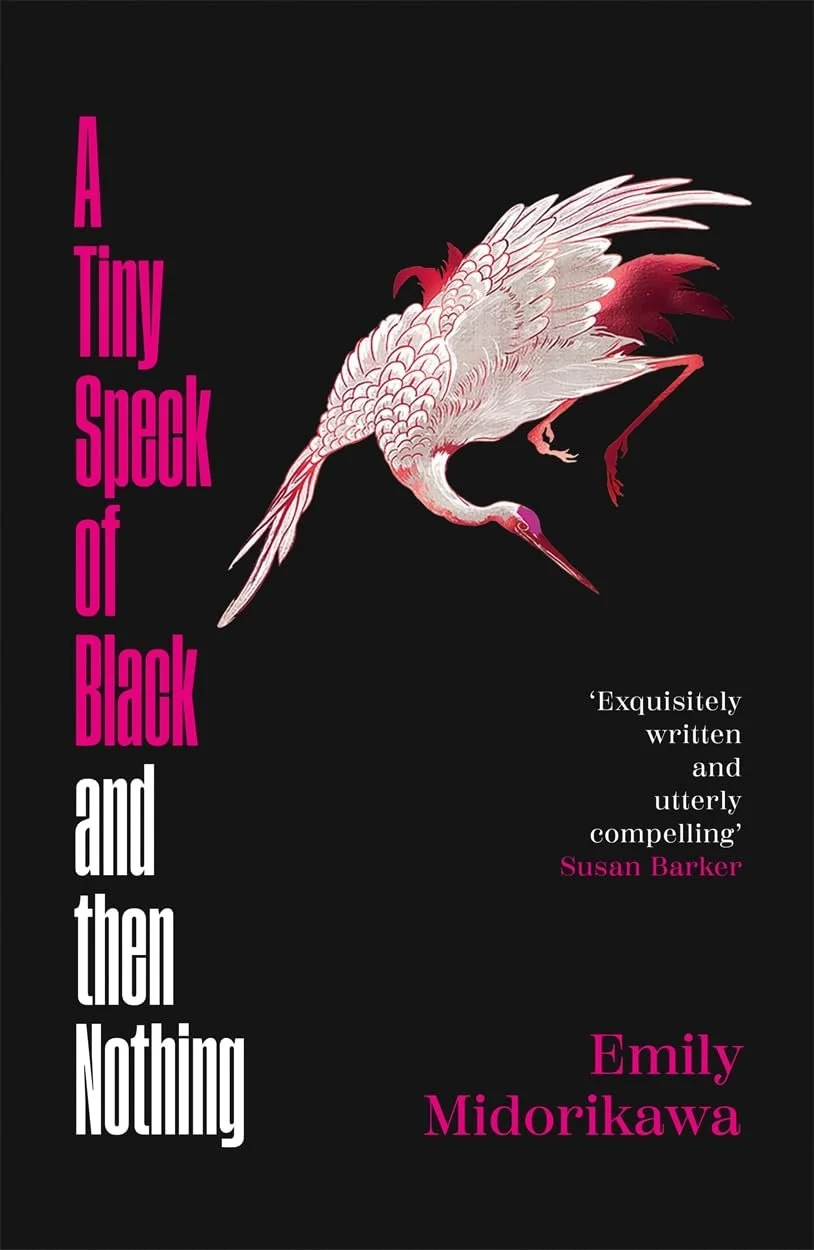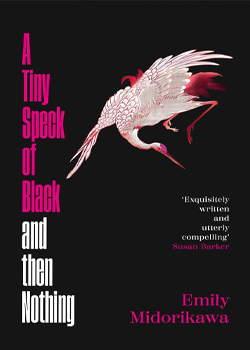
This year we’re delighted to welcome award-winning author Emily Midorikawa as judge of The Book Edit Writers' Prize. Emily’s debut novel, the captivating A Tiny Speck of Black and Then Nothing, was published by Manilla Press in July this year, following a journey to publication that began more than two decades ago.
She is also the co-author, with Emma Claire Sweeney, of A Secret Sisterhood: The Literary Friendships of Jane Austen, Charlotte Brontë, George Eliot and Virginia Woolf, and the author of Out of the Shadows: Six Visionary Victorian Women in Search of a Public Voice. In this spotlight, Emily writes about persistence, the lessons non-fiction has taught her about writing character, and what she’s hoping to find in this year's entries.
1. Your debut novel, A Tiny Speck of Black and Then Nothing, took some years from first draft to publication. What kept you returning to it, and what advice would you give writers who are sitting on a manuscript they've never quite let go of?
Emily: ‘I began writing A Tiny Speck of Black and then Nothing in the early 2000s, when I was in my early twenties. It went through a great many drafts before eventually being taken on by a literary agent and then going out on submission to publishers. But, despite attracting quite a bit of interest from editors, it didn’t initially make it into print. Although I didn’t give up on my novel entirely, I put it aside for a long time to concentrate on writing other things. Then, to my complete astonishment a couple of years ago, an offer from a publisher finally came through. I would advise writers in a comparable position to keep working on a manuscript if they still feel the pull to do so, but that it’s also OK to put it aside for a while and return to it with fresh eyes at a later point. The work will not die in your absence from it. It may lie dormant, but it can be revived. ‘
2. You've moved between group biography, journalism, and now fiction. How has writing non-fiction shaped the way you approach character and story in your own fiction?
Emily: ‘Writers of narrative biography and feature journalism are interested in telling good stories – true stories that deal with facts, but stories all the same. Working in these forms really helped me to think about the importance of pacing and how to make my depictions of people come alive the page. I was able to draw on many of these lessons when I returned to writing fiction.’
3. In A Secret Sisterhood, you and Emma Claire Sweeney uncovered the hidden literary friendships behind writers like Austen, Brontë, Eliot and Woolf. What did that research teach you about the role collaboration plays in a writer's development?
Emily: It taught me that the romantic image of the solitary writer toiling away in a garret alone is largely a myth. Writers learn from other published writers – most often by reading their work, but also perhaps by going to see them being interviewed at a literary festival or watching a video of them talking about their writing practice. It’s also possible to learn from relationships with one’s peers – whether they are published writers or not. For instance, you can exchange work for critique with a writer friend or just be there to give each other advice and support. These were things Emma and I did for each other for many years, and long before either of us had published a book.
4. As someone who's been a prize winner yourself before going on to publish two acclaimed biographies and a debut novel, what would you say to unpublished writers who feel like recognition is taking too long to arrive?
Emily: During those years when I feared A Tiny Speck of Black and then Nothing would never reach a wider audience, entering literary prizes – and sometimes being successful – really kept me going. In some cases, being shortlisted or winning a prize opened doors to publishing opportunities or chances to read my work at events. There was also often a sense of camaraderie to being a part of a cohort of shortlisted writers. I remain friends with quite a few writers I met that way. We are supportive of each other’s careers and have sometimes gone on to collaborate on other writing projects.
5. You have long taught creative writing alongside your own writing practice. What's the most important advice you find yourself sharing with emerging writers?
Emily: Read. Read for enjoyment, but also read with a writer’s eye. You can learn so much about the act of writing by trying to understand how other authors do it.
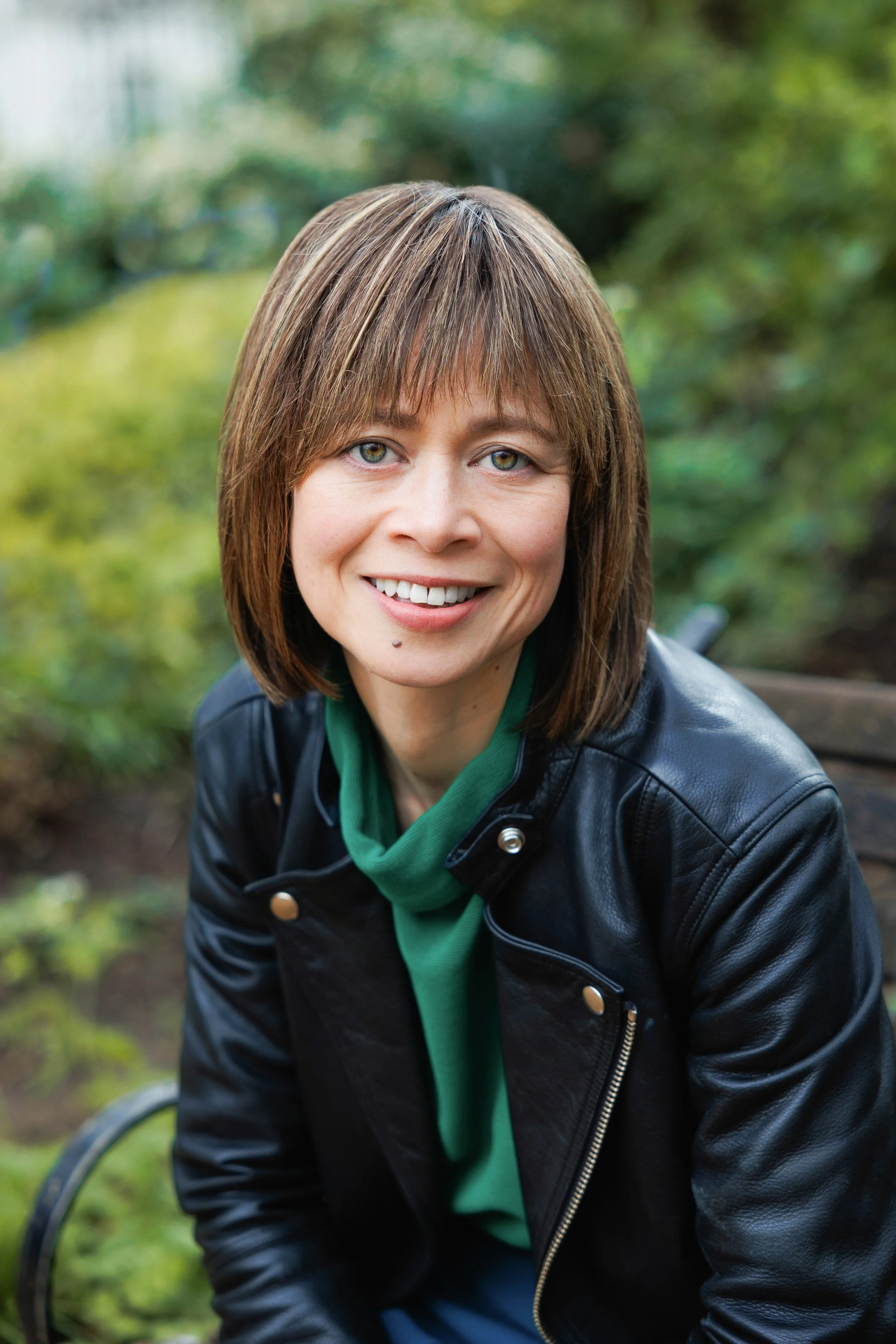
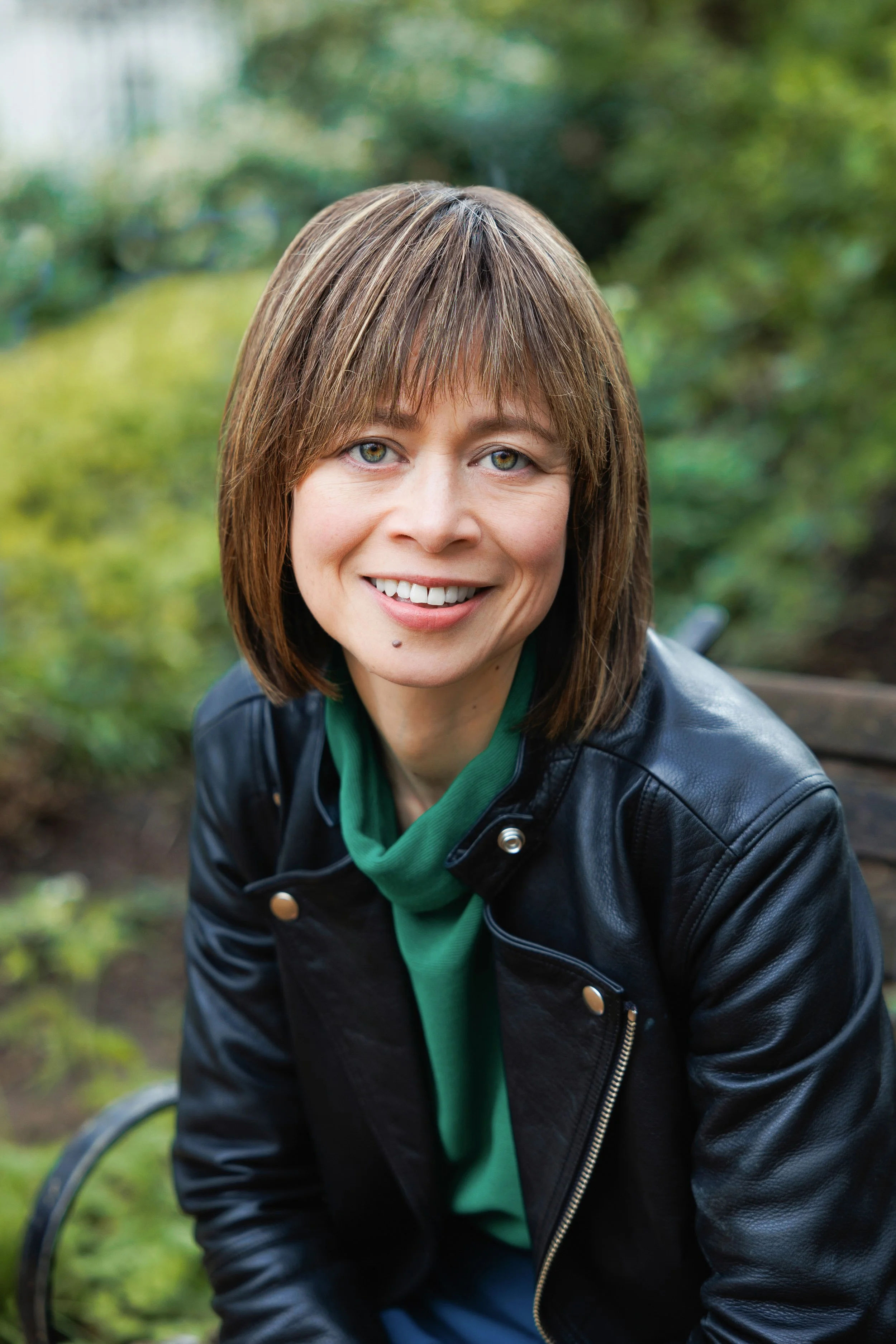
Emily Midorikawa, photographed by Liz Godfrey
6. What makes a submission stand out to you as a reader and what are you hoping to find in the entries for this year's Book Edit Writers' Prize?
A sense of atmosphere, a strong voice and characters that I can believe in. Good luck everyone!
Thank you so much, Emily!
Entries for The Book Edit Writers' Prize 2026 close at 5pm on 16 October. Full details and how to enter can be found here.